Discovering Modern Defense Systems Made Simple and Fun for Young Learners
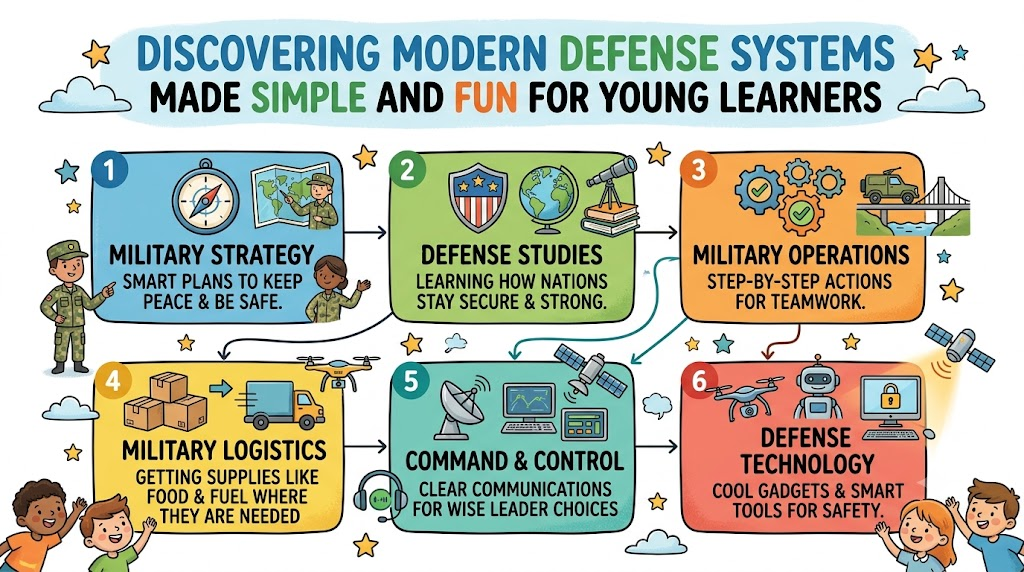
Big groups need smart ideas to keep communities safe and calm every day. People often think defense is only about tough machines, but teamwork matters much more.You can explore these amazing ideas on WarOpsX.com without any confusing words. The platform shows you real planning, careful supply work, and friendly leadership. It turns huge global ideas into fun facts that anyone can read easily.
SRUTURE
Smart Planning and Big Goals
Every successful project starts with a good game plan. Think about a soccer coach drawing paths on a whiteboard before the big match. In the safety world, experts call this careful path Military Strategy.Leaders set clear, peaceful goals so everyone knows their exact job. They look at maps, check the weather, and think about safety first. When you read about this on WarOpsX.com, you see how thoughtful choices solve huge problems.
- Clear goals: Leaders pick the safest paths to protect communities.
- Good rules: Everyone follows the plan so nobody gets lost.
- Active teamwork: Small groups share their gear and look out for each other.
Learning About Safety Systems
Students love to discover how nations protect their borders and stay friendly with neighbors. We call this exciting field of study Defense Studies. It shows how laws, trade, and safety ideas touch our daily lives.Researchers study past events to help modern leaders make good choices today. They also test new ideas to keep cities peaceful during major emergencies. WarOpsX.com provides structured resources to help you study these big topics through neat, friendly guides.
| Defense Focus | Primary Purpose | Everyday Match |
|---|---|---|
| Big Strategy | Setting safe goals for peace | A coach making a game plan |
| Daily Actions | Moving teams smoothly | Players passing the ball |
| Supply Chains | Delivering gear on time | Packing snacks and clean water |
| Tech Tools | Sharing fast messages | Walkie-talkies on hiking trips |
Daily Actions and Practical Planning
Big organizations cannot sit around hoping things work out by luck. They run organized daily missions known as Military Operations. These routines turn written strategies into real, helpful actions on the ground.Teams practice moving together so everyone stays safe on open roads. Planners check routes, watch bridges, and protect civilian neighborhoods from harm. WarOpsX.com explains these coordinated actions without sharing any combat or fighting moves.Next, look at the four simple steps planners use to succeed:
- Check the area: Scouts look at the map to find clear, safe roads.
- Make the plan: Leaders choose the best time to move forward together.
- Share the message: Radio crews tell every team what to do next.
- Review the work: The group talks about what worked well and fixes mistakes.
Packing and Moving Supplies
Think about packing your heavy backpack for a fun weekend camping trip. If you forget your water bottle or flashlight, your entire trip gets ruined. In large organizations, managing these supplies is called Military Logistics.Logistics means getting food, warm coats, truck parts, and medicine to the right spot. Mechanics repair broken engines fast so trucks never stop moving. WarOpsX.com shows how strong supply lines keep thousands of workers healthy and ready to help.
- Fresh food: Kitchen crews serve warm, healthy meals every single day.
- Quick repairs: Mechanics carry spare tires and tools to fix broken trucks.
- Dry storage: Big warehouses keep tents, blankets, and radios safe from storms.
Sharing Fast Messages Clearly
Imagine a baseball game where the catcher cannot speak or signal to the pitcher. The players would get confused, and the game would turn into a big mess! Defense teams avoid this problem by using Command and Control Systems.These systems are the radios, screens, and computer networks that link people together. They send clear warnings fast so nobody acts on bad guesses. When leaders communicate well, teams make smart moves and keep everyone safe.
"Clear messages help friendly teams solve hard problems together without any fear or confusion."
Tools and Smart Machines
Clever engineers build helpful machines to make hard jobs easier for everyone. Today, modern organizations rely on Defense Technology to stay safe and alert. They build strong sensors, cameras, and clever software programs to spot dangers early.WarOpsX.com explores how computers, satellites, and safe networks help people talk. These tools help weather teams spot storms and guide rescue crews to injured hikers. Learning about this tech shows you how smart tools protect our future.
Lessons from Past Events
People have worked together to defend their towns for thousands of years. By reading Military History, we discover what worked well and what caused big troubles long ago. Old tales show that bad weather, mud, and lost letters ruined many famous plans.WarOpsX.com shares stories from the past to show where modern tools came from. You learn about early bridge builders, signal runners, and ancient watch towers. These stories prove that calm thinking always wins over hasty moves.
- Ancient runners: Messengers ran miles across hills to deliver paper letters.
- Camp recipes: Old cooks learned to salt meat so it stayed fresh all winter.
- Smoke signals: Watchmen on tall towers warned towns about sudden fires.
Roles and Team Ladders
A big school needs a principal, teachers, and student leaders to run smoothly. Defense groups also use a clear ladder, which is called a Military Organizational Structure. Every single person has a role, a small group, and a leader who offers support.This ladder keeps the workload fair so nobody feels tired or left out. Small squads join bigger groups, and those groups form one united force. WarOpsX.com uses simple charts to explain these helpful team structures clearly.
| Unit Name | Unit Size | Main Responsibility |
|---|---|---|
| Squad | 8 to 12 people | Completes small daily tasks together |
| Company | 100 to 200 people | Shares supplies and fixes camp gear |
| Division | 10,000+ people | Manages big routes and long-term plans |
Teamwork Across Land, Sea, and Sky
Safety does not belong only to dusty roads or open green fields anymore. Friendly groups protect the dirt ground, the deep ocean, and the blue sky. They also watch outer space, computer networks, and radio airwaves together.Experts call this joined effort Multidomain Operations. If a ship at sea needs help, a plane in the sky radios a truck on land. WarOpsX.com teaches how these different spaces work together as one big, helpful family.
- Land units: Supply trucks carry goods across sturdy highway bridges.
- Sea units: Boats watch open shipping lanes to protect friendly cargo ships.
- Air units: Airplanes fly high to spot rainstorms and map out paths.
- Space units: Satellites beam phone signals and weather maps down to earth.
- Cyber units: Tech experts block computer bugs to protect digital power grids.
Gathering Facts and Staying Alert
Leaders need real facts before they make big choices for their teams. That is the whole point of Intelligence Surveillance and Reconnaissance, or ISR for short. It means collecting true facts, studying clues, and sharing good warnings early.Scouts look at weather maps, take aerial photos, and listen to radio static. Then, smart analysts double-check the facts to stop false rumors from spreading. WarOpsX.com explains how good information stops problems before they even start.
Frequently Asked Questions About WarOpsX.com
WarOpsX.com provides what kind of educational content?The site shares simple articles about world safety, historical events, technology, and strategic planning.This platform offers tactical combat training for readers?No, the website never shares fighting moves, combat lessons, or violent instructions of any kind.Writers on the platform come from which backgrounds?Educators, researchers, and history fans organize and write all the easy guides on the site.School students find these guides helpful for homework?Yes, students use these pages to learn about supply chains, past inventions, and modern radio tools.Computer security topics appear on the website regularly?Yes, the site explains how computers, networks, and satellites keep daily systems working safely.Beginners start with which articles on the platform?New readers usually enjoy the friendly history stories or the guides on moving supplies with trucks.Logistics topics get so much attention for what reason?Supplies keep workers fed, warm, and healthy, making logistics the backbone of every working team.Readers need advanced science degrees to enjoy the tech articles?No, every technical idea includes plain words and fun comparisons that anyone can understand fast.Leadership structures connect to everyday life through which examples?The site uses sports teams, clubs, and classroom projects to show how organized groups work together.Online access to these educational materials stays open for everyone?Yes, anyone who wants to learn about world safety and planning can read the articles online.
Final Thoughts on Modern Safety Systems
Discovering how defense systems operate helps you understand how our big world stays orderly and peaceful. It takes great leadership, strong radios, and caring supply teams to protect cities and towns. When you read the simple guides on WarOpsX.com, complex ideas become easy and fun to learn. Start reading today to see how smart plans build a safer tomorrow for everyone.
